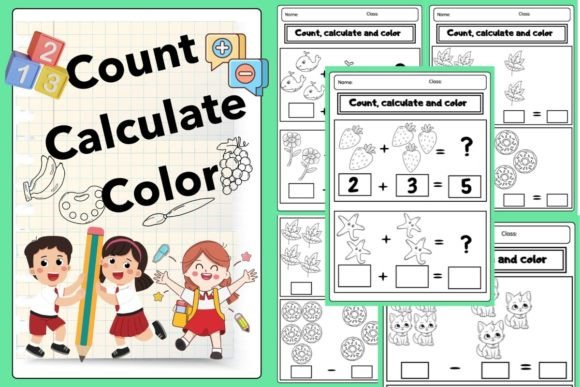
Count Calculate Color - Kids Worksheet: Making Math Fun for Young Learners
As a designer and parent, I know how hard it can be to find educational resources that are both effective and genuinely engaging for children. We want our kids to build foundational skills, but we also want to protect their natural curiosity and make learning feel like play, not a chore. That's precisely the challenge the Count Calculate Color - Kids Worksheet collection was created to solve. It’s a thoughtfully designed set of activities that transforms basic arithmetic into a creative, colorful experience.
A Playful Visual Style That Invites Interaction
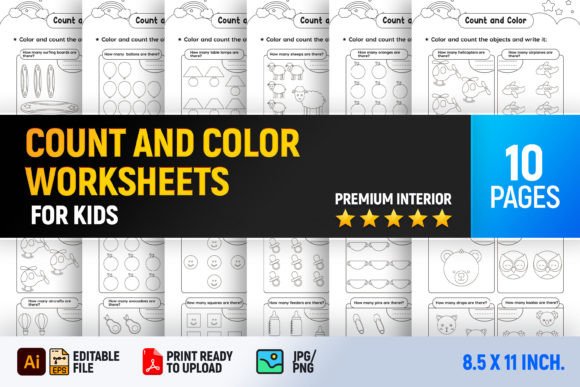
The personality of this worksheet pack is built on clarity and encouragement. The visual style is clean and uncluttered, using bold, simple outlines for drawings that are perfect for small hands to color. The typography is large, friendly, and sans-serif, prioritizing legibility for early readers. This isn't about complex design theory; it's about creating a stress-free visual environment. The overall appeal is one of gentle guidance. Each page presents a clear task—count the objects, solve a simple addition or subtraction problem, and then bring the scene to life with color. This approach respects a child's attention span and need for tactile, creative engagement. The Count Calculate Color - Kids Worksheet understands that for kindergartners and primary schoolers, learning and play are not separate activities.
Practical Applications for Educators, Parents, and Creators
While the primary audience is children, the value of a resource like this extends to the adults who facilitate learning. Here’s how different professionals can leverage these worksheets:
- For Parents and Homeschoolers: This is a ready-to-use tool for reinforcing school lessons at home. The 40-page PDF provides weeks of structured, screen-free activity that builds confidence in counting and basic calculations. The "color for fun" element is a brilliant reward that makes children eager to complete the math part.
- For Teachers and Tutors: These sheets are perfect for classroom centers, morning work, or as take-home practice. The consistent format reduces cognitive load, allowing children to focus on the math skills themselves. They can be easily integrated into a broader curriculum focused on making mathematics accessible.
- For Content Creators and Bloggers: If you run a parenting blog, a homeschool resource site, or an educational YouTube channel, the Count Calculate Color - Kids Worksheet pack is an excellent piece of content to offer your audience. It provides tangible value, solves a common problem (finding quality educational printables), and positions you as a helpful resource. You could create a post around "Fun Ways to Practice Math Over the Summer" and include these worksheets as a free download for subscribers.
- For Small Business Owners (e.g., Daycares, Learning Centers): Offering high-quality, engaging activities is part of your brand promise. Having a curated library of resources like this worksheet pack demonstrates your commitment to thoughtful, developmental programming. It’s a practical design asset for your operations.
How This Resource Influences Learning and Engagement
The design choices embedded in the Count Calculate Color - Kids Worksheet directly impact its effectiveness. The strong visual hierarchy—number, problem, illustration, coloring space—guides the child's eye and process logically. This consistency builds recognition and routine, which are comforting for young learners. The professionalism of the clean layout ensures there are no confusing distractions, fostering a sense of competence as the child successfully completes each page.
Most importantly, it drives engagement. By linking an abstract concept like subtraction to a concrete, rewarding activity (coloring a happy character), the worksheet creates a positive emotional association with math. This isn't just about learning to add and subtract; it's about building a foundational belief that mathematics can be creative and enjoyable. That's a powerful brand perception to establish early in a child's educational journey.
Choosing and Implementing This Worksheet Pack
Integrating this resource is straightforward, but a few practical considerations will ensure you get the most out of it.
- Evaluate the Skill Fit: The pack is designed for kindergarten to primary school level. Before diving in, consider the specific child's or students' current abilities. The problems are foundational, focusing on counting objects and simple sums/differences, making it ideal for beginners or those needing extra practice.
- Test the Format: Since this is a digital resource, you'll want to test a sample page for print quality. Ensure your printer settings are correct for clear lines, which is crucial for the coloring portion. The Count Calculate Color - Kids Worksheet is delivered as a ZIP file containing a PDF, so confirming your device can handle this common format is a necessary first step.
- Consider the Flow: You don't have to use all 40 pages in sequence. You can pair them thematically (e.g., all animal-themed pages together) or use them to supplement other lessons. The consistent format allows for flexible use without creating confusion.
- Understand the Licensing: This is a commercial font—well, a commercial educational resource. The license typically covers personal and single-classroom use. If you're a large district or a commercial publisher looking to incorporate these worksheets into a sold product, you would need to review the specific licensing terms to ensure compliance.
In a world saturated with flashy, often overstimulating educational apps, there's profound value in a simple, well-executed printable. The Count Calculate Color - Kids Worksheet collection is more than just a set of math problems; it's a thoughtfully crafted tool that respects how children actually learn. It blends essential skill-building with the joy of creativity, making it a standout resource for anyone dedicated to nurturing confident, happy young learners. It’s a reminder that the best design, much like the best teaching, often lies in clarity, purpose, and a touch of fun.